
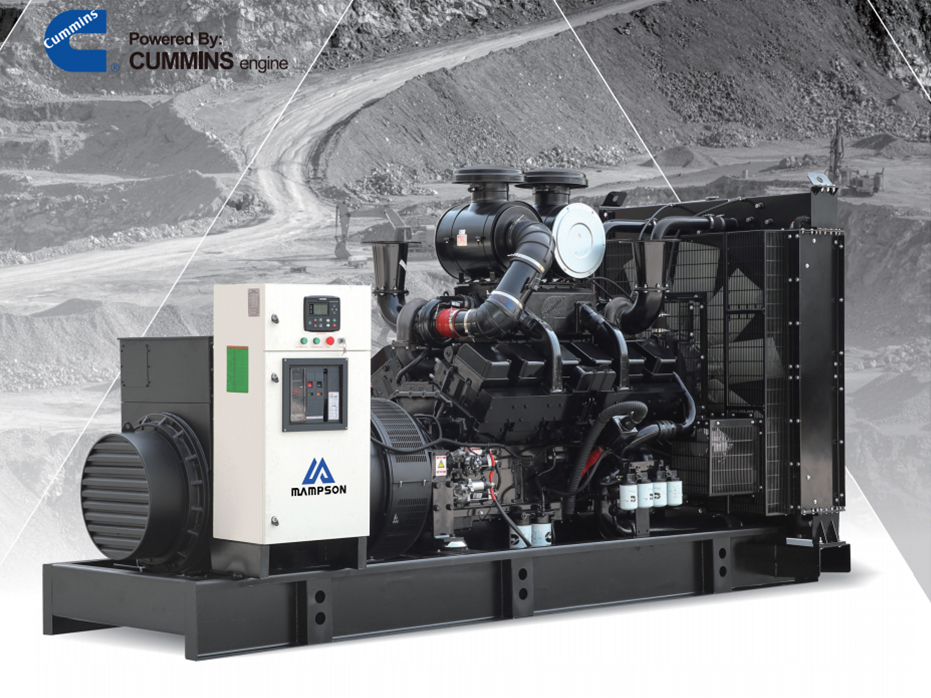
 CUMMINS
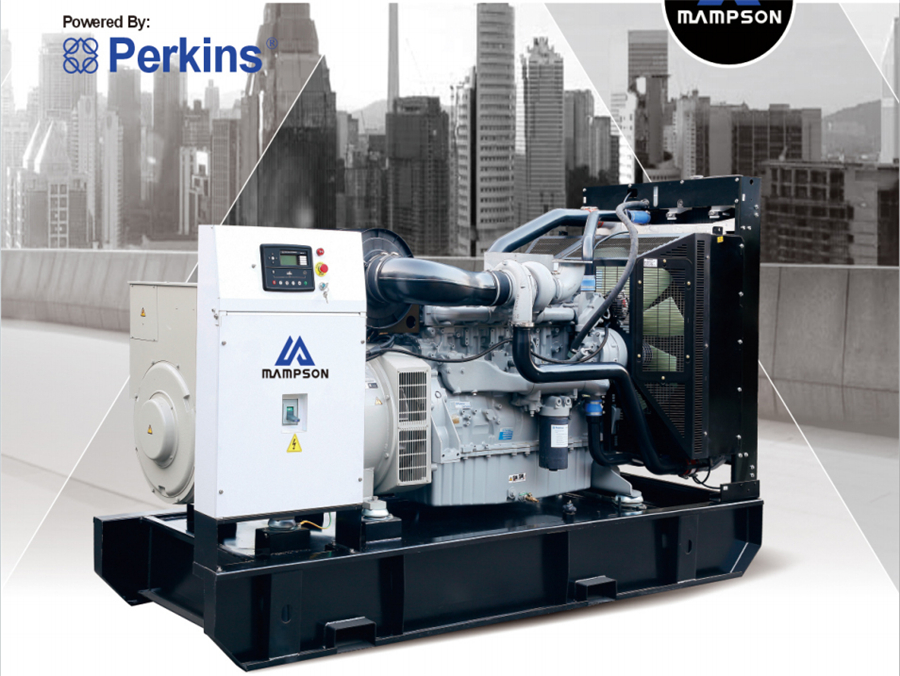 PERKINS
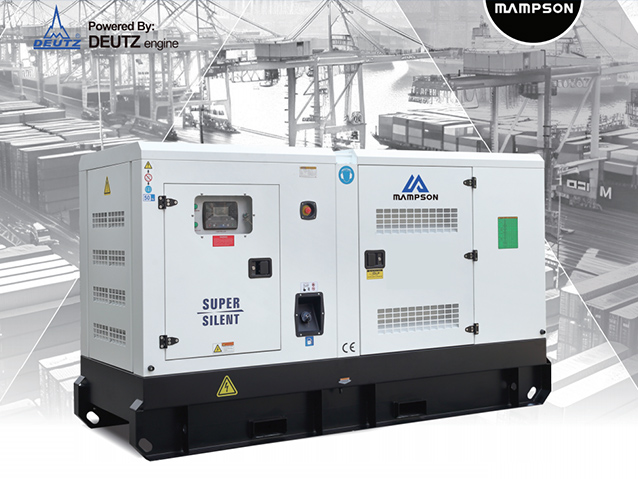 DEUTZ
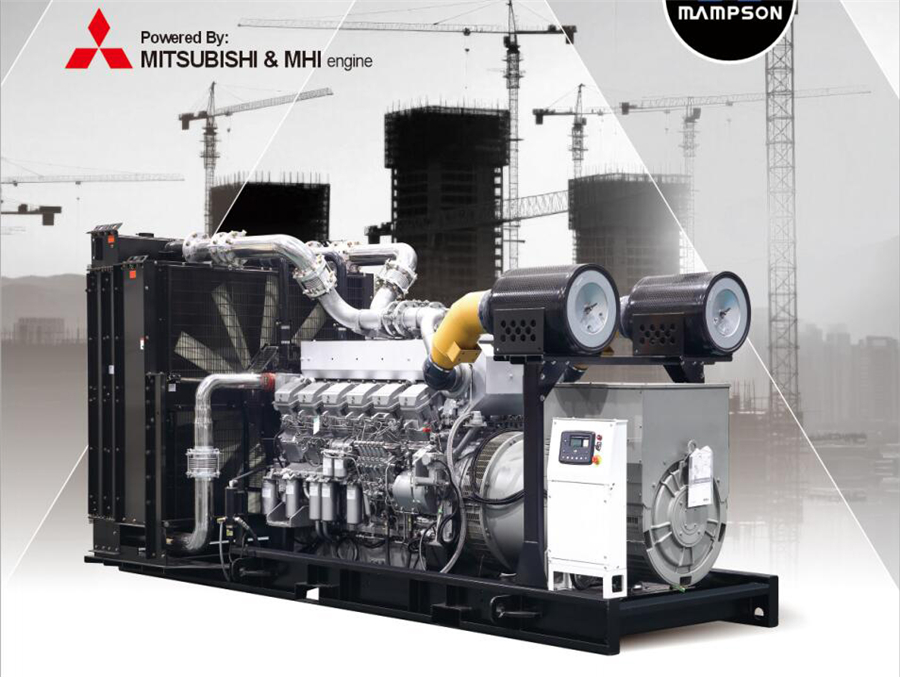 MITSUBISHI
 YANMAR
 YANGDONG
 RICARDO
 YUCHAI
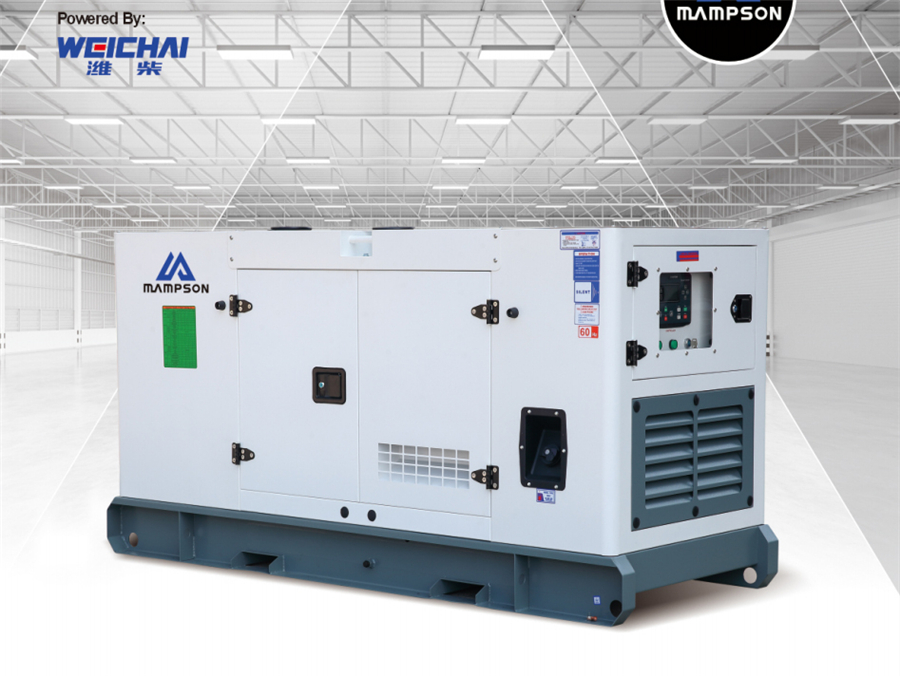 WEICHAI
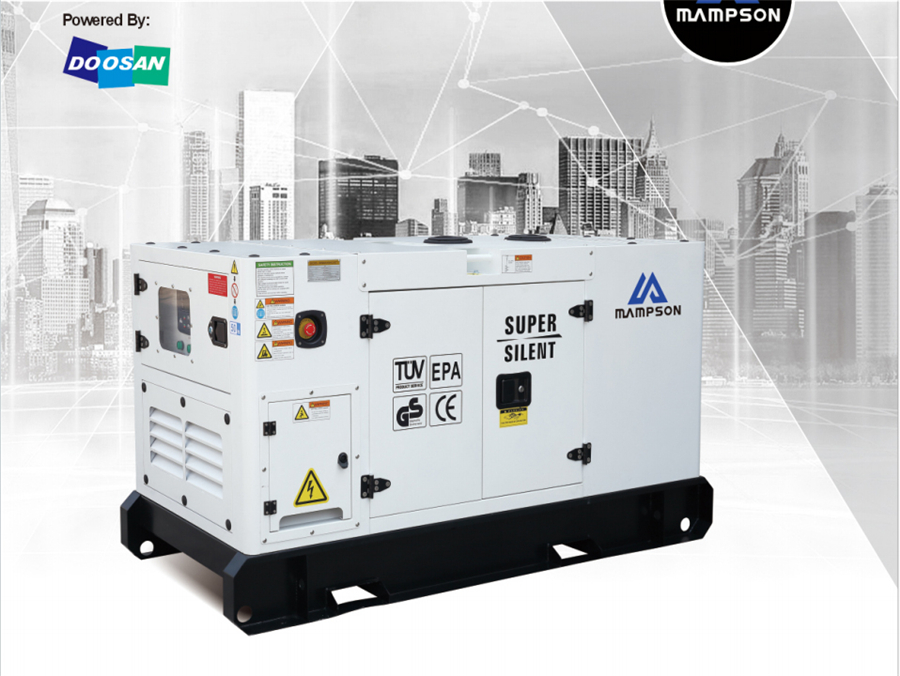 DOOSAN
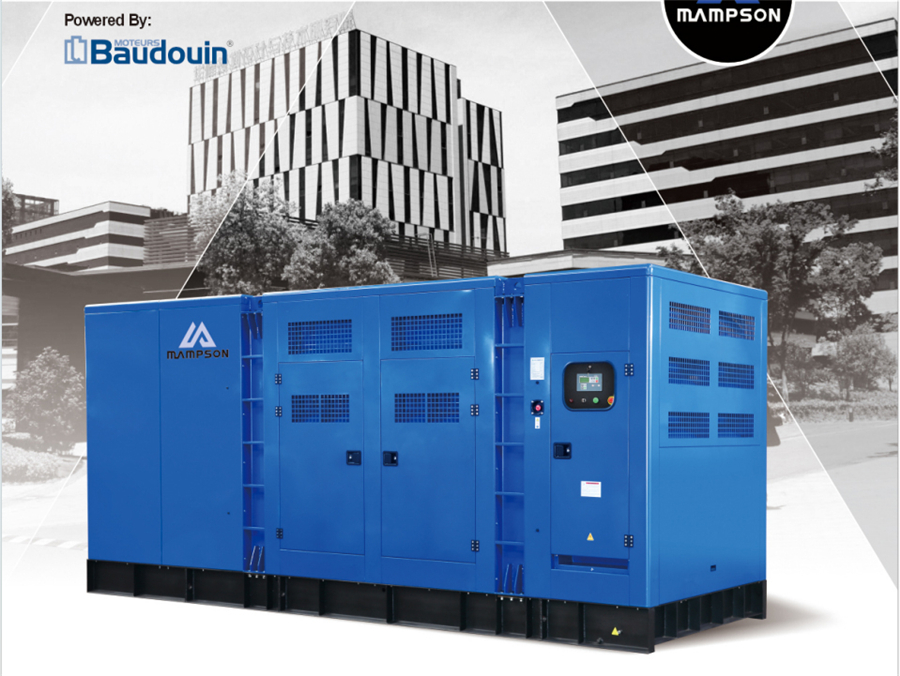 BAUDAUIN
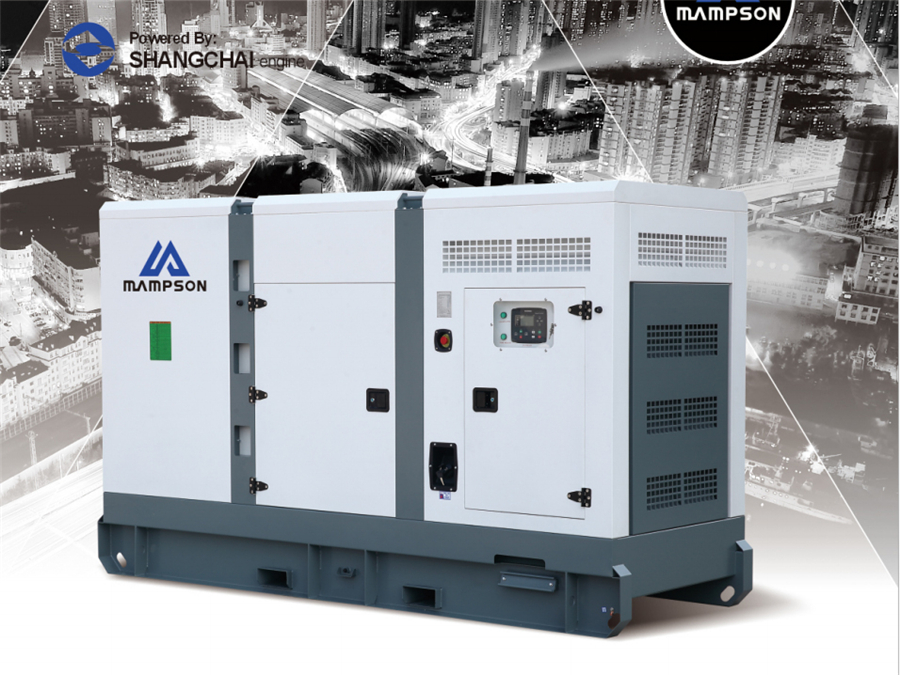 SHANGCHAI
 YUNNEI
 ISUZU
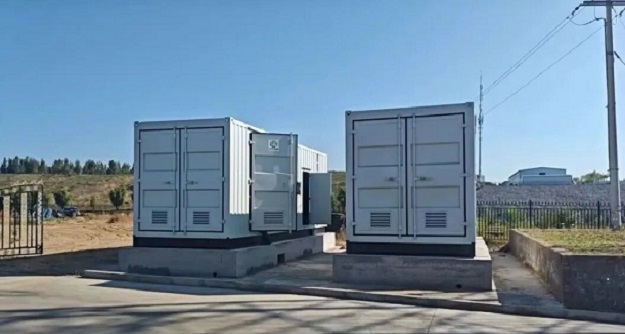
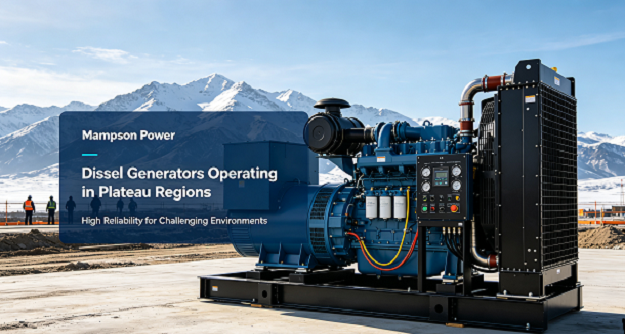
The Sequel to AI’s Power‑Grabbing Battle: Diesel Generator Orders Booked Through 2028 — Who Is Capturing This Wave of Orders?
Amazon’s Seven‑Year $8‑Billion Long‑Term Deal Lands; Generac Surges Roughly 18% in a Single Day
While the whole world is talking about NVIDIA and TSMC, diesel generators — the “life‑saving equipment” at the very bottom of AI data centers — are quietly selling like hotcakes.
## I. From Optional Accessory to Mandatory Standard Configuration
On September 16, U.S. standby‑power giant Generac filed documents with the SEC, officially announcing a seven‑year long‑term supply agreement with Amazon with a maximum cumulative value of $8 billion. The first batch worth $2.4 billion will be delivered in 2027‑2028, specifically for emergency standby diesel generator sets deployed at Amazon’s AI computing data centers. As a binding commitment, Amazon also received Generac warrants to purchase up to 1.69 million shares at an exercise price of $200.93 per share. Upon the news release, Generac’s share price jumped approximately 18% in a single trading session to close at $207.23, having at one point risen more than 30% intraday.
This is no ordinary transaction. Within the power‑supply ecosystem of AI data centers, diesel generator sets (referred to in the industry as “diesel gensets”) have long been viewed as a peripheral backup power source that kicks in only when the grid fails. Nevertheless, as the computing power clusters of AI data centers scale up to the gigawatt level, the role of diesel gensets is undergoing fundamental change.
An August 24 special article in *China Energy News*, supervised by People’s Daily, set the tone directly: “As the final line of defense for power security, diesel generator sets have evolved from an optional configuration to a mandatory standard for data centers.”
The reasoning is straightforward. AI data centers demand nearly flawless continuity of power supply: a power outage lasting merely 0.1 seconds can crash an entire GPU training cluster, causing losses running into millions of dollars. On the grid side, grid‑connection waiting queues for major U.S. power networks such as PJM and ISONE have stretched to as long as five years. Meanwhile, extreme weather events amplify the volatility of wind and solar renewable energy. Consequently, diesel gensets have become that “last line of defense.”
## II. Order Backlog Stretches to 2028; Prices Rise by 20%
Just how explosive is the demand? Several figures illustrate the momentum:
‑ Global Market: According to Huayuan Securities estimates, the global diesel‑generator market will reach around $22.6 billion in 2026, corresponding to roughly 42,000 units. Among this total, the market for data‑center‑specific diesel gensets is projected to expand from $8.7 billion in 2025 to $24.2 billion by 2032, representing a compound annual growth rate of 17%.
‑ Chinese Market: Demand for diesel gensets for intelligent computing facilities will surge from 4,426 units in 2024 to 12,327 units in 2027, with the market size exceeding RMB 50 billion.
‑ Production Backlogs at Overseas Giants: Orders for Cummins’ QSK95 model have been booked through the second half of 2028. Caterpillar has revised its 2030 overall capacity plan upward from 50 GW to 65 GW. Delivery lead‑times for large‑bore engines from MTU (Rolls‑Royce) extend to 12‑18 months.
‑ Pricing: Driven by supply shortages, prices for high‑power complete diesel generator units have climbed by more than 20%.
McKinsey offers an even more direct assessment: total IT equipment load for global data centers will expand from approximately 82 GW in 2025 to 220 GW in 2030, with AI‑related demand rocketing from 44 GW to 155 GW. Yet North American power grids are expected to deliver only around 100 GW of new grid‑connected capacity. The remaining capacity gap will have to be filled entirely by on‑site self‑owned power generation.
## III. Why Large‑Bore Diesel Gensets?
Diesel generators are not a new product. However, the gensets required by AI data centers differ completely from the smaller units deployed on construction sites or inside hospitals in the past.
Traditional data‑center backup power relied on medium‑and‑small‑sized gensets below 1 MW. In contrast, individual AI data‑center campuses frequently run hundreds of megawatts or even multiple gigawatts, necessitating large‑bore diesel generator sets of 1 MW and above, up to the 5‑MW class. Such products carry extremely high technical barriers:
‑ The large‑bore engine constitutes the “heart” of the diesel genset. Its crankshaft exceeds 1.5 meters in length; the value of a single crankshaft jumps from RMB 2,000‑3,000 yuan for heavy‑duty truck engines to RMB 10,000‑50,000 yuan.
‑ Complete units must satisfy rigorous specifications: 7×24‑hour standby readiness, rapid on‑load startup, low‑emission performance, and exceptional reliability.
‑ Worldwide, only a handful of manufacturers are capable of building equipment at this power tier. The foreign big three — Cummins, Caterpillar and MTU (Rolls‑Royce) — currently hold the major market share. At present, Weichai Power represents the primary domestic player with comparable product performance.
Weichai’s breakthrough carries landmark significance. In 2025, annual sales of Weichai’s M‑series large‑bore engines surpassed 10,000 units for the first time, up 32% year‑on‑year. Within this segment, sales for data‑center backup‑power applications skyrocketed 259%. The growth momentum accelerated further in 2026: in Q1, over 500 engines were shipped for data‑center use (+240% YoY). By the first half of the year, cumulative sales of data‑center diesel power engines exceeded 1,400 units (+137% YoY), matching the full‑year sales volume of 2025 within merely six months. At the end of 2025, Weichai also launched the world’s first 5‑MW high‑speed diesel power‑generation product, Model 20M61, whose technical specifications are on par with leading global benchmarks.
**First Tier: Complete‑Set Leaders**
‑ *Weichai Power*: The definitive domestic leader for large‑bore diesel gensets. Its M‑series power portfolio extends from 1 MW toward 3‑5 MW, with volume deliveries already completed for large‑scale data‑center projects in Zhongwei (Ningxia) and Zhejiang Cloud‑Computing Parks. Huayuan Securities forecasts net profit attributable to shareholders of RMB 15.9bn, 20.0bn and 23.0bn for 2026‑2028.
‑ *China Power (CSSC Group)*: In H1 2026, low‑speed diesel engine order intake reached 10.79 million horsepower, up 43% YoY. CSSC has rolled out the CGT‑series 3‑50 MW gas turbines as well as AIDC emergency diesel gensets, building a dual‑track layout covering both primary and standby power supplies.
**Second Tier: Core Component Suppliers**
‑ *Tianrun Industrial*: China’s largest specialized crankshaft manufacturer. Only three major global suppliers produce large‑bore crankshafts and connecting rods: Tianrun, Dandong 518 and Germany’s Alfing. In 2025, revenue from its large‑bore crankshaft‑and‑connecting‑rod business hit RMB 410 million (+53% YoY). At full production capacity, this segment could generate RMB 1.5‑2.0 billion in annual revenue with a long‑term gross‑margin target of roughly 28% (versus the current ~22%).
‑ *Changyuan Donggu*: Core supplier of engine cylinder blocks and cylinder heads; its customer roster includes Cummins, Yuchai and Shanghai Diesel Engine. In 2026, the company secured a designated supply contract for 16‑V diesel‑engine cylinder blocks worth RMB 300‑350 million. It also acquired Kanghao Electromechanical to expand into engine thermal management and diesel generator‑set businesses.
**Third Tier: Thermal Management & Supporting Components**
‑ *Yinlun Co., Ltd.*: Deep‑rooted supplier to Caterpillar, delivering cooling modules and exhaust‑aftertreatment systems for data‑center generators. As Caterpillar lifts its capacity target from 50 GW to 65 GW, Yinlun stands to benefit directly. H1 2026 operating revenue reached RMB 9.0 billion (+26% YoY).
**New Entrant**
‑ *Taotao Vehicle Industry*: Originally a maker of low‑speed electric vehicles. In July 2026, it established Shanghai Jizhi Energy Technology to enter the North‑American AIDC gas‑turbine generator‑set integration market. Building around the CFM56 aero‑derived gas‑turbine core engine, it is planning an annual capacity above 300 MW for 2027. This type of cross‑industry entry itself signals robust sector prosperity: when a traditional motorcycle manufacturer moves into data‑center power generation, it indicates that spillovers from AI‑driven power‑supply orders have reached peripheral industry segments.
## V. How Large Is the Window for Domestic Substitution?
One notable signal: overseas industry giants are proactively seeking cooperation with Chinese manufacturers.
Cummins and Caterpillar have order backlogs extending to 2028; constrained by their own production capacity, they are shifting some component and even complete‑unit manufacturing outward. This logic for domestic substitution mirrors that seen in the photovoltaic sector in 2019 and the energy‑storage segment in 2021. It is not simply that domestic technology has caught up; rather, “they cannot fulfill demand in time, so Chinese enterprises step in to help.”
At present, domestic supply of large‑bore diesel engines remains highly concentrated, primarily among three original‑equipment manufacturers: Weichai, Yuchai and Shanghai Diesel Engine, together with their joint‑venture brands. Weichai’s large‑bore products have attained performance comparable to Cummins and Caterpillar, alongside shorter delivery lead‑times and lower costs. According to ChengTong Securities analysis, compared with Caterpillar’s 2025 power‑generation business revenue of $10.3 billion and Cummins’ power‑system division revenue of $7.5 billion, Weichai’s large‑bore diesel business still possesses 5‑to‑10‑fold room for future growth.
Nevertheless, material risks cannot be overlooked. A slowdown in AI capital expenditure, accelerated adoption of natural‑gas‑fired gas‑turbine technology as an alternative, and uncertainties surrounding overseas trade policies could all weigh on the sustainability of this industry boom.
## VI. Concluding Remarks
From gas turbines to diesel generators, the narrative of “AI‑driven power shortages” is transmitting progressively down the industrial chain. Gas turbines address the requirement for primary on‑site power, while diesel gensets deliver the “life‑saving backup power”; neither can be dispensed with.
When Generac secures the seven‑year $8‑billion long‑term contract with Amazon; when *People’s Daily*‑affiliated media characterizes diesel gensets as a “mandatory standard”; when Weichai’s data‑center‑oriented engine sales for the first half of a single year match its prior full‑year sales — this previously overlooked traditional machinery track has emerged as one of the hardest rigid demands within AI infrastructure.
Order backlogs stretching out to 2028 mark merely the beginning.